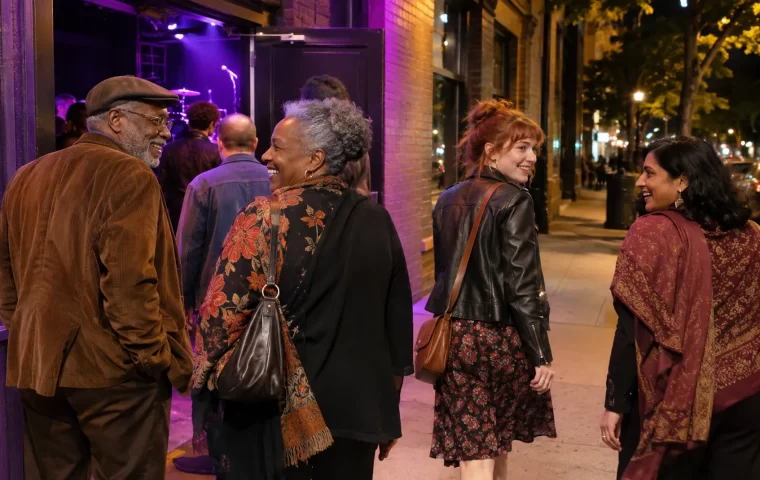
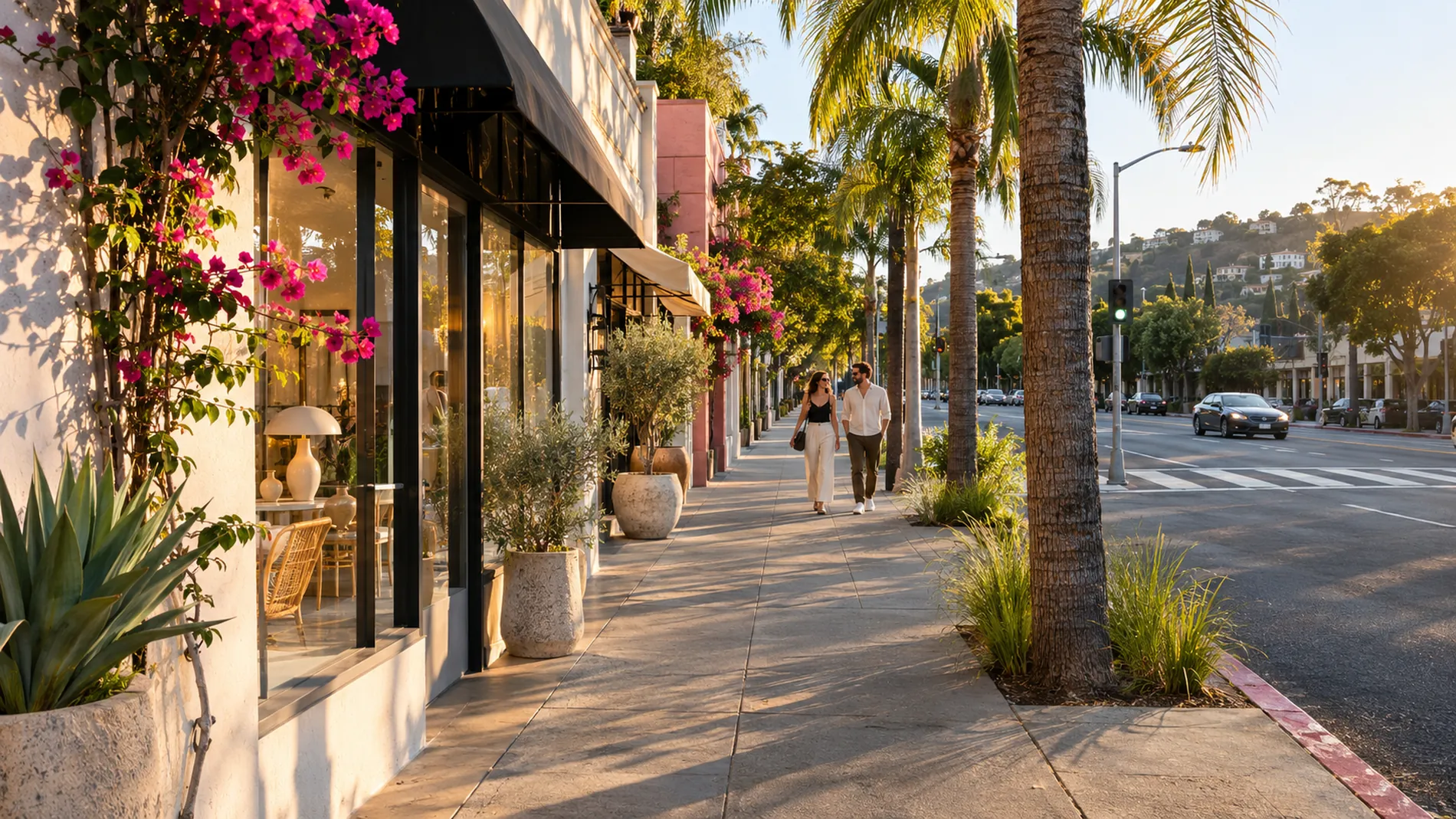
Walking the Sunset Strip can be a good way to notice details that disappear through a car window: a venue entrance, a terrace, a billboard frame, or the way a hotel meets the street. The most useful route is not necessarily the longest one. Choose a few stops that interest you and make the connecting walk part of the experience.
Define a manageable section
Begin with two or three destinations, then locate their actual entrances. Do not assume that a business address on Sunset Boulevard tells you where pedestrians enter. A hotel may use a forecourt or side entrance, and a venue queue can change where you approach the door. Check the route before adding another stop simply because it appears nearby.
The official Sunset Strip neighborhood guide is a useful orientation resource. Use it to choose an area of interest rather than treating every featured place as a required stop. A focused walk with time to look around can be more enjoyable than rushing between a long list of recognizable names.
Look at slopes as well as distance
A short distance on a map can still involve a noticeable incline. Think about the whole outing: the route from your hotel, the walk between stops, and the return when you may be tired. If a route looks uncertain, inspect it in a map’s street-level view and ask a destination about its entrance. An estimated walking time is not a description of comfort or accessibility.
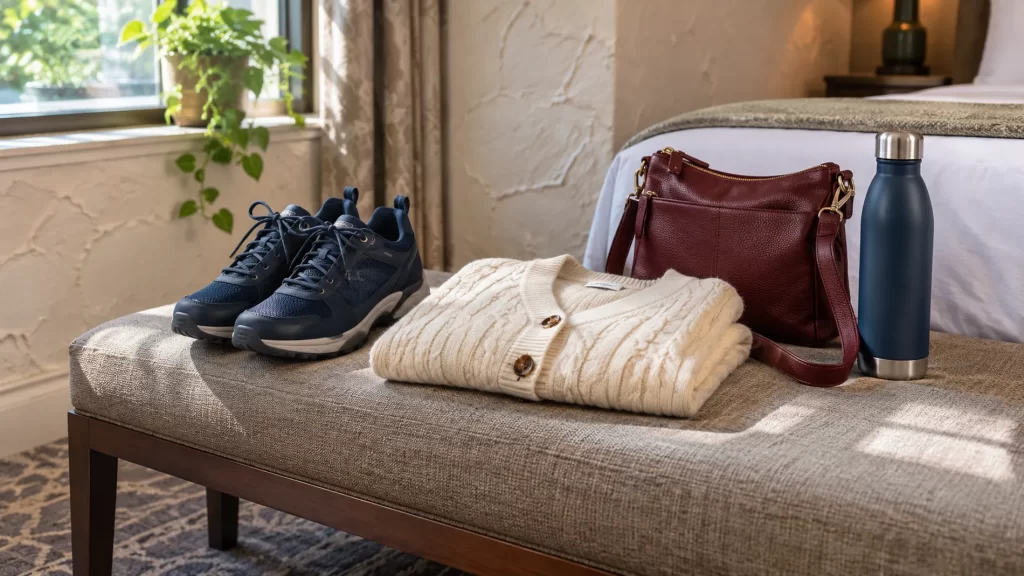
Choose shoes for the distance you intend to cover. Bring only what you want to carry for the entire route and allow for changing temperatures between afternoon and evening. If someone in the group prefers shorter segments, build in a seated stop. A useful plan accommodates the people actually taking the walk rather than an idealized average pace.
Make crossings deliberate
The city’s pedestrian guidance emphasizes sidewalks, marked crossing locations, and attention to traffic. Incorporate crossings into the route instead of treating them as incidental gaps between attractions. Pause your conversation or phone use when approaching the roadway and follow the signals and conditions in front of you.
It can be more comfortable to group stops on one side of the street before crossing at an appropriate location. Do not step into a driveway or lane to improve a photograph. If a sidewalk section is crowded or obstructed, slow down and find the intended pedestrian route rather than following others into an uncertain shortcut.
Leave room for observation
Choose a place where you can pause without blocking an entrance, queue, or through-route. Look at the building above the storefront, the position of an old sign, or the relationship between a venue and its neighboring businesses. You do not need to photograph every stop. A few notes about what you notice can make the outing more memorable than a sequence of hurried images.
Our History & Culture articles offer context for a slower look at the boulevard. Keep historical interest separate from current access: a building’s story does not make its lobby, courtyard, or performance room open to casual visitors. Read the present-day visitor information and respect the boundary between public streets and private premises.
Adapt the route to the time of day
A daytime walk and a late-night departure serve different purposes. In daylight, you may want extra time for architecture and window displays. After a performance, the priority may simply be a clear route to your hotel or pickup point. Avoid assuming that the busiest part of the evening will offer the same space to stop and look around.
Agree on a meeting point if the group separates. Keep the next destination saved and make sure everyone understands which entrance or corner you mean. If the weather, footwear, crowding, or energy level changes, shorten the walk. Choosing a ride for one segment does not spoil a walking-focused visit.
Decide how the walk ends
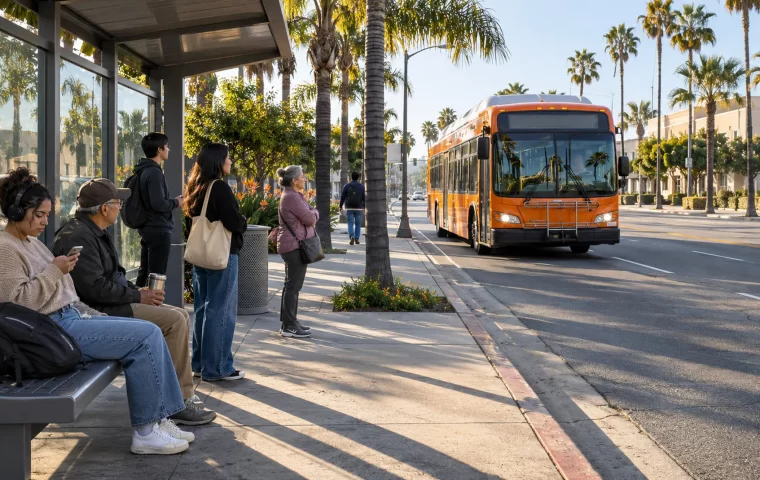
Before leaving, identify the final stop and the return option. A route that ends far from your hotel needs a different plan from a loop that brings you back. Check current transit information or a practical pickup location if you do not want to retrace your steps. Leave enough battery for the journey home.
The Getting Around guides can help you combine walking with another mode. The best Sunset Strip walk gives you time to enjoy a few connected places, makes crossings and slopes part of the decision, and leaves you with an uncomplicated way to finish.