
A stay near the Sunset Strip can be a useful base for exploring art and design elsewhere in West Hollywood. The key is to keep the geography clear. A destination in the same city is not necessarily on Sunset Boulevard, and a design district is not a single attraction with one entrance or admission policy.
Choose one principal destination, then add a nearby stop if time allows. A focused architecture visit can be more rewarding than an afternoon of crossing between unrelated addresses. Our Start Here guide can help you keep this outing distinct from your plans along the Strip.
Consider the Schindler House as a destination
The MAK Center’s Schindler House page identifies the house at 835 North Kings Road in West Hollywood. It is off the Sunset Strip, so plan the journey as a separate part of the day. Use the official visit information to understand access and current programming.
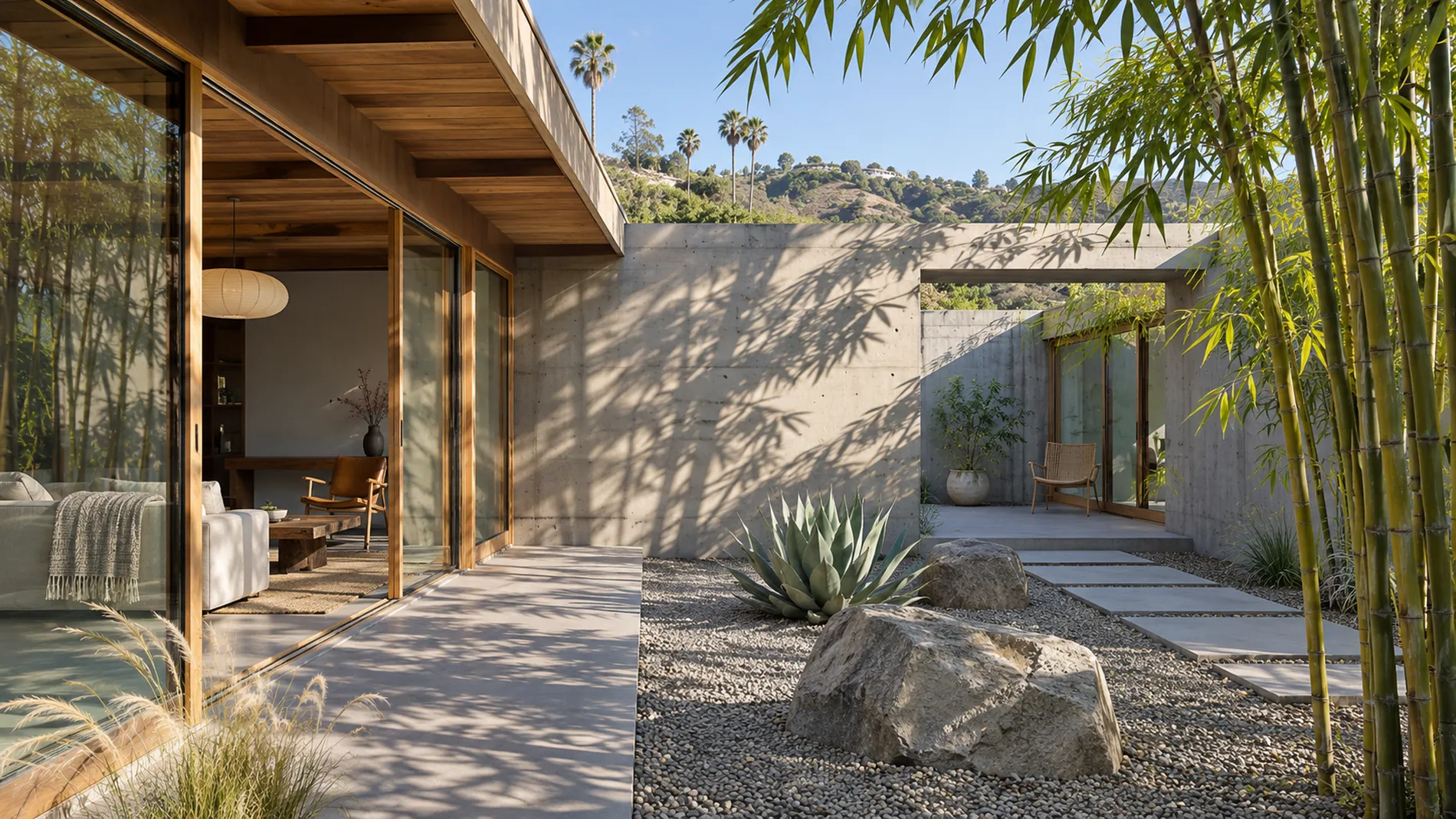
Approach the visit with a question rather than only a camera. Notice how an architectural space directs movement, how indoor and outdoor areas relate, or how materials change the atmosphere. Looking for one design idea gives you a way to engage even if you do not have a background in architectural history.
Check access before building the route
Read the venue’s current ticketing and visiting instructions before you leave. A historic property, showroom, and commercial gallery can have very different arrangements. Some visits require advance booking; others depend on an exhibition or program. Do not assume that a place listed in a neighborhood guide is open for casual entry at all times.
If a particular feature affects your visit, ask about it in advance. That might include step-free access, seating, photography, or the length of a tour. A clear answer can help you choose the right outing and avoid relying on a general description that does not address your needs.
Use the Design District directory selectively
The West Hollywood Design District provides categories for art, design, fashion, and other businesses. Treat its directory as a starting point for selecting addresses. Check each chosen destination directly for visitor arrangements and current information.
A showroom may be organized around professional appointments rather than casual browsing. A gallery may be between exhibitions. Decide what you want to see, then confirm whether the visit you imagine is available. This avoids confusing a broad district identity with a guarantee that every door welcomes the same kind of visit.

Map a compact route outside the Strip
Put the actual addresses on a map and look for a sensible sequence. Consider the journey from your hotel, the movement between stops, and the return. Choose transport that fits the distances and the needs of your group rather than assuming the entire outing should happen on foot.
Leave room for a meal or short break near the chosen destinations. A pause gives you time to discuss what you noticed and decide whether another stop is worth adding. Returning to the Strip between every activity can consume time that would be better spent exploring one area carefully.
Add public art with context
The City of West Hollywood’s arts information can help you identify public programs and cultural activities. Check the location and dates of anything specific you plan to see. Temporary projects are part of the interest, but an old image is not proof that a work remains on view.
When you photograph a work, record its title and artist if that information is available. Keep your notes separate from assumptions about the building or neighborhood around it. This small habit makes later sharing more accurate and gives you a useful thread for further reading.
Return with one idea, not a completed list
After the outing, consider what connected the places you chose. It might be an interest in light, materials, domestic space, or how contemporary work sits within older buildings. That connection can make the afternoon feel coherent even if you visit only one or two places.
Use the Things to Do guides to plan a different emphasis next time. West Hollywood’s cultural destinations reward attention. A clear distinction between the Strip and the surrounding neighborhoods helps you give each place the time it deserves.