Parking on the Sunset Strip is easier to plan when you begin with two addresses: where you want to spend the evening and where you will leave the car. Treat them as separate destinations. A garage that appears close on a map may have its entrance on another street, while a convenient space may not fit the length of your visit.
Choose the destination before choosing the parking
Save the exact venue or restaurant address and look at its visitor information. Sunset Boulevard is much longer than the Sunset Strip, so the street name alone does not establish that two places are neighbors. Check where the driveway, pedestrian entrance, and venue door sit relative to each other. A short route with a clear crossing can be more useful than a slightly closer space reached awkwardly.
The city’s parking facility directory is a starting point for municipal facilities. It is not a guarantee of an available space or a complete list of private options. Compare your chosen facility with information from the actual operator, particularly if your evening includes a late performance or an overnight stay.
Work backward from when you will leave
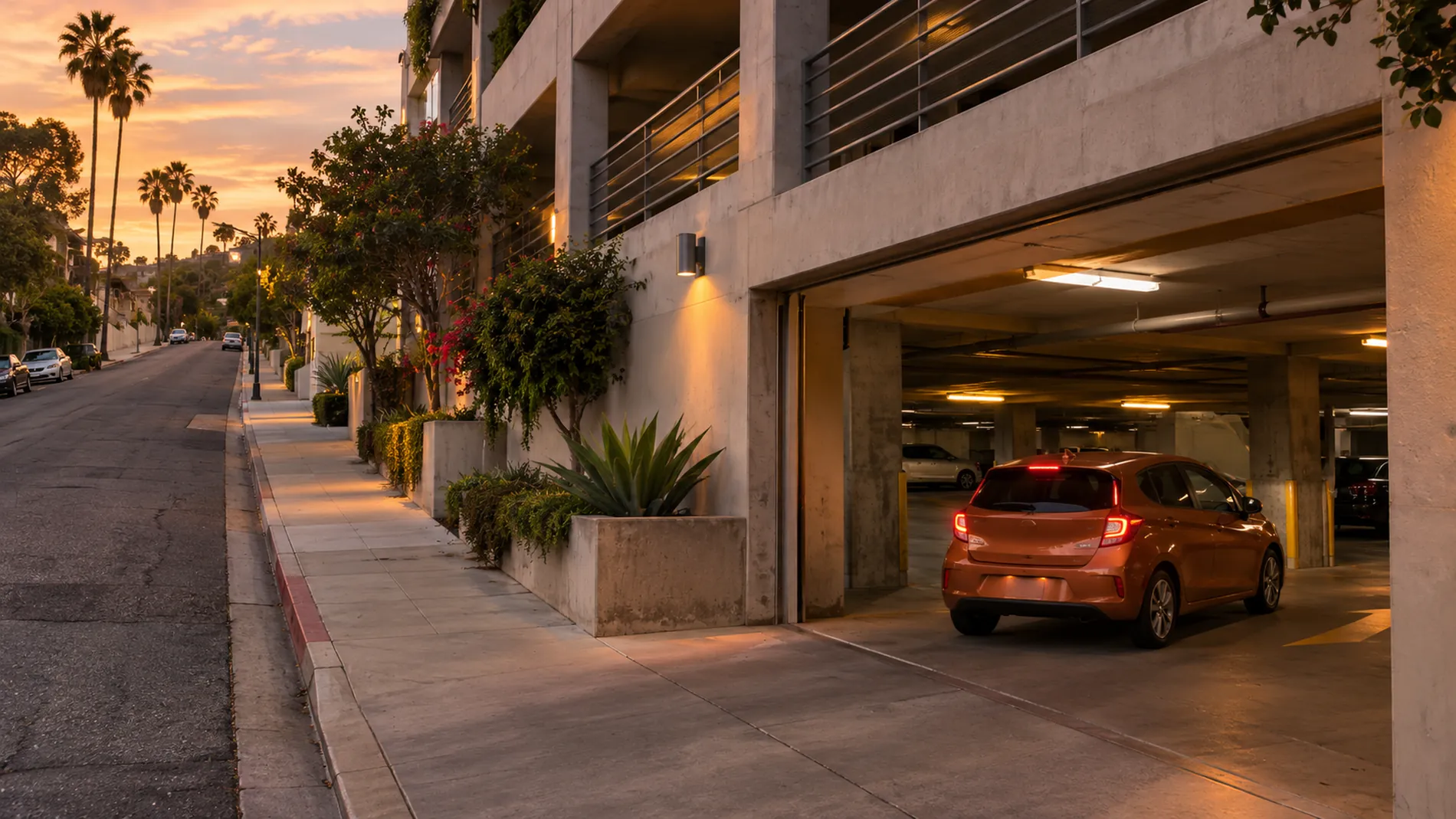
Check the garage’s closing arrangements, not simply its opening time. Ask whether pedestrian access, vehicle retrieval, and overnight parking follow the same rules. A show that runs longer than expected can turn a small uncertainty into a problem at the end of the night. If the operator cannot clearly explain after-hours retrieval, choose an option you understand better.
For a restaurant visit, find out whether validation applies to the specific facility you intend to use. A nearby business may validate one garage but not another with a similar name. Note any purchase requirement or time limit before relying on a discount. Consider the total evening cost rather than a prominent introductory rate at the entrance.
Read the whole sign before leaving the car
For curbside parking, read all signs governing that stretch of street. Look at the day, time, direction of any arrows, and whether another restriction applies later. A payment confirmation does not resolve a separate restriction. If several signs seem confusing, finding a clearer location can be a better use of your time than trying to justify an uncertain interpretation.
Use the Parking Services page to reach the city’s current meter, permit, and facility information. This guide does not reproduce a citywide set of rules or promise that one payment method works everywhere. Read the instructions on the actual equipment and verify the space or vehicle information before paying.
Keep a simple record of where you parked
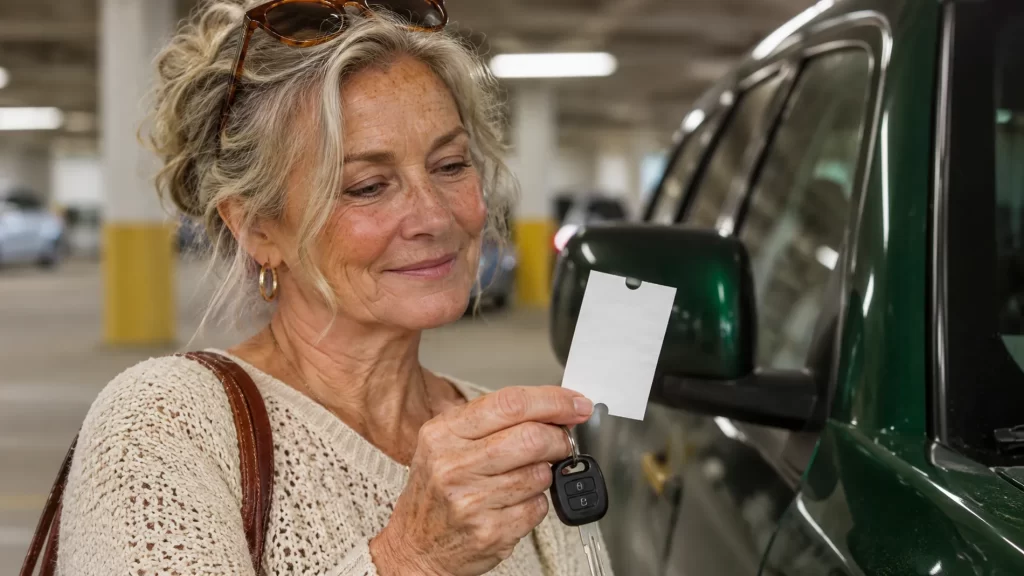
Save the facility’s name and street address, then photograph the level or space identifier for your own reference. Remember the pedestrian exit you used. A parking app’s location pin can be helpful, but it may point to the vehicle rather than the doorway you need to reach it. Store any ticket securely instead of leaving it loose with receipts.
Before walking away, check that windows and doors are secured and take the belongings you will need. Avoid rearranging valuable items in plain view after parking. If you use valet service, read the claim instructions, ask where collection happens, and keep the claim ticket accessible. The person who will retrieve the vehicle should have the relevant information.
Plan the walk as part of the parking choice
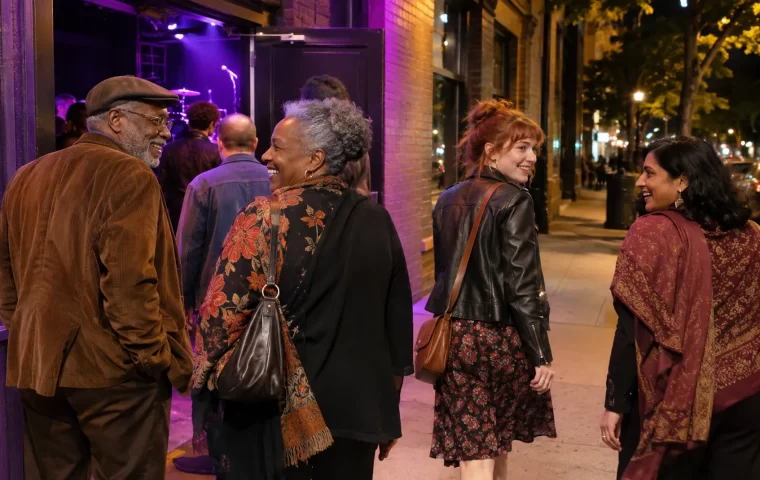
Look beyond the quoted walking distance. The route may involve a hill, several crossings, or a different entrance after dark. If someone in your group needs a shorter or step-free route, ask the destination and parking operator for specific details. Do not assume that a nearby garage’s lift connects directly to the sidewalk you want.
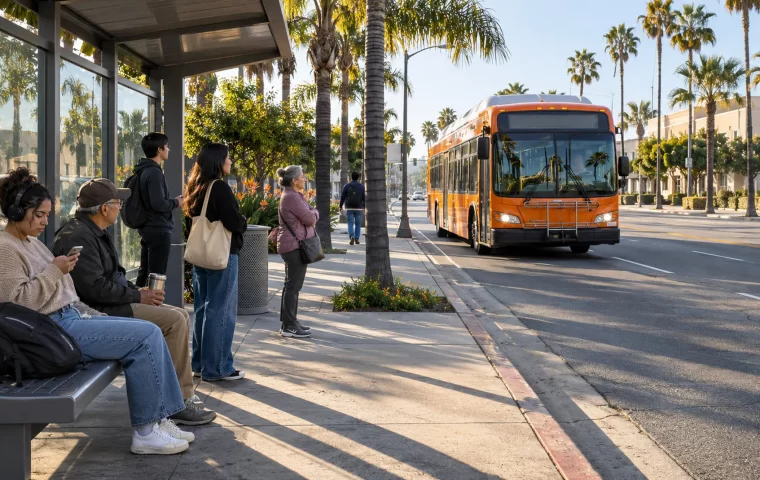
Our Getting Around guides help you compare parking with walking, transit, and rideshare plans. For a first visit, the Start Here guide can help keep the evening focused on one area rather than repeated vehicle moves. Sometimes paying for one understandable parking arrangement is preferable to searching again between every stop.
Leave yourself an uncomplicated exit
Before the evening ends, check your ticket and the route back. Give everyone a meeting point if your group separates. Collect your belongings before approaching a payment machine or valet counter, and allow room for a queue. A little preparation makes the final stage feel like part of the plan rather than a second trip to organize.
If the original arrangement no longer works, pause and reassess instead of rushing. Keep a backup journey in mind and use current operator information. The goal is a parking choice you can explain clearly at arrival and still understand when the night is over.